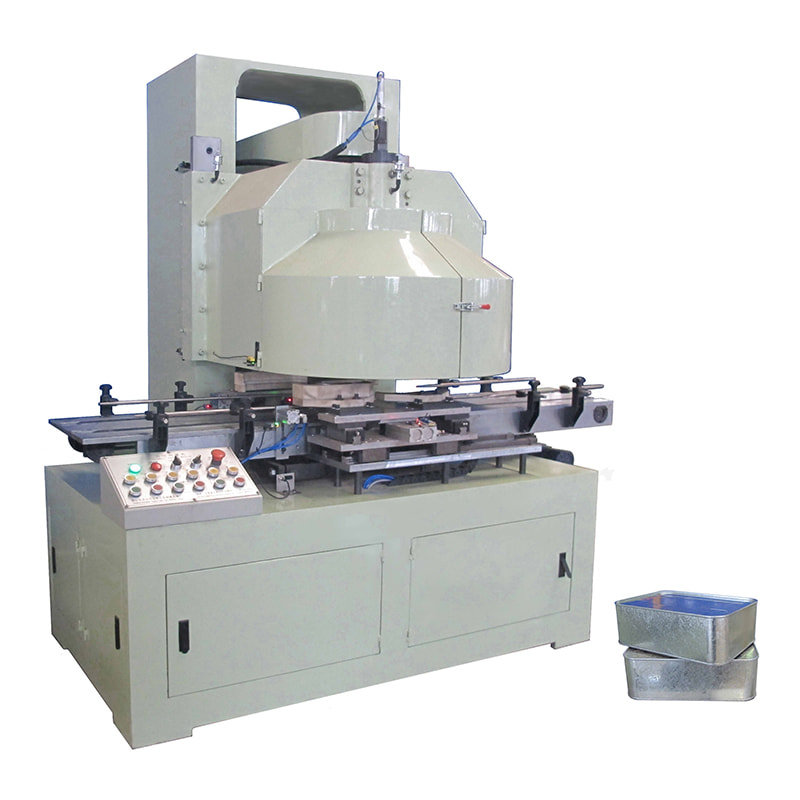
ال نقالة هيدروليكية يعزز الخزان من خلال نظام الدفع الهيدروليكي. مبدأها الأساسي هو استخدام ضغط الزيت الهيدروليكي لنقل الطاقة وقيادة المحرك لتطبيق قوة موحدة ويمكن التحكم فيها لإكمال التشوه البلاستيكي أو التقوية الهيكلية للخزان. يمكن للنظام أن يوفر مخرجات ضغط عالي مستقرة لضمان الضغط المتساوي على الخزان أثناء عملية التعزيز وتجنب تركيز الضغط المحلي أو التشوه غير المتساوي. تكمن ميزة المحرك الهيدروليكي في إنتاج الطاقة القوي وقدرته على التحكم الدقيق، والتي يمكن أن تتكيف مع احتياجات التعزيز للخزانات ذات المواد والمواصفات المختلفة.
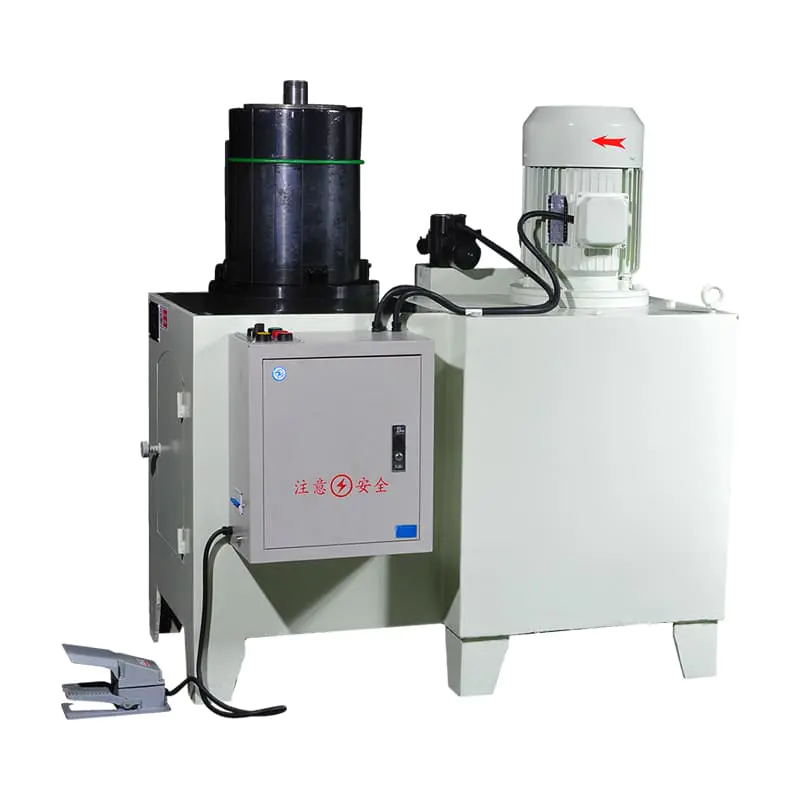
ال hydraulic drive system is mainly composed of core components such as hydraulic pumps, hydraulic cylinders, control valve groups, oil tanks and pipelines, as well as pressure sensors and control systems. As a power source, the hydraulic pump converts mechanical energy into hydraulic energy and generates high-pressure oil flow to drive the entire system. As an actuator, the hydraulic cylinder is responsible for converting hydraulic energy into mechanical energy, outputting linear thrust or pressure, and directly acting on the tank. The control valve group is used to adjust the flow direction, pressure and flow of hydraulic oil to ensure precise and controllable movements. The oil tank and pipeline constitute the storage and delivery channel of hydraulic oil to ensure smooth circulation of the system. The pressure sensor and control system monitor and adjust the pressure parameters in real time to ensure that the reinforcement process is stable and reliable.
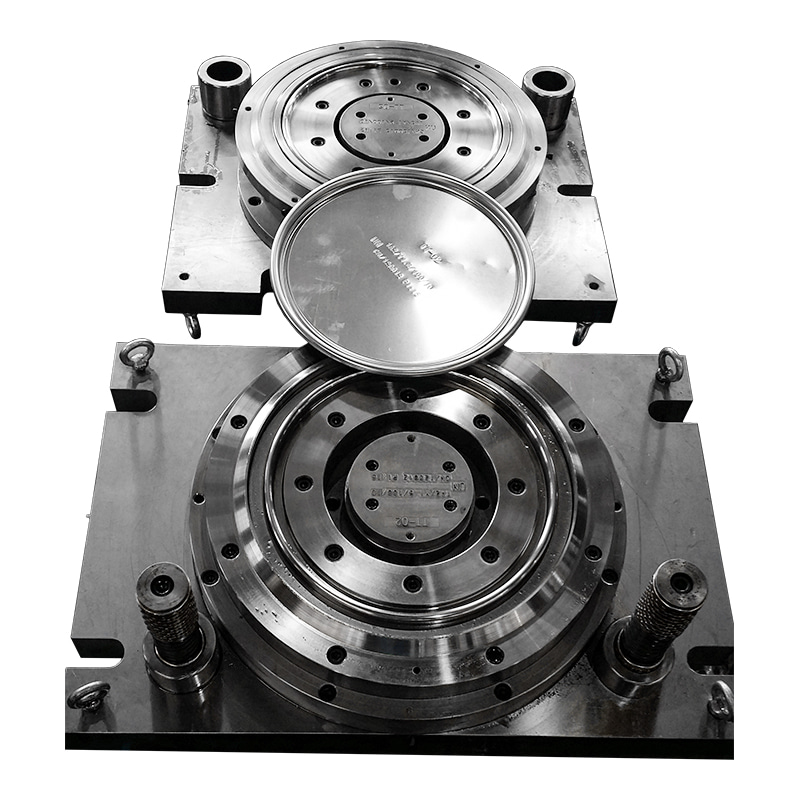
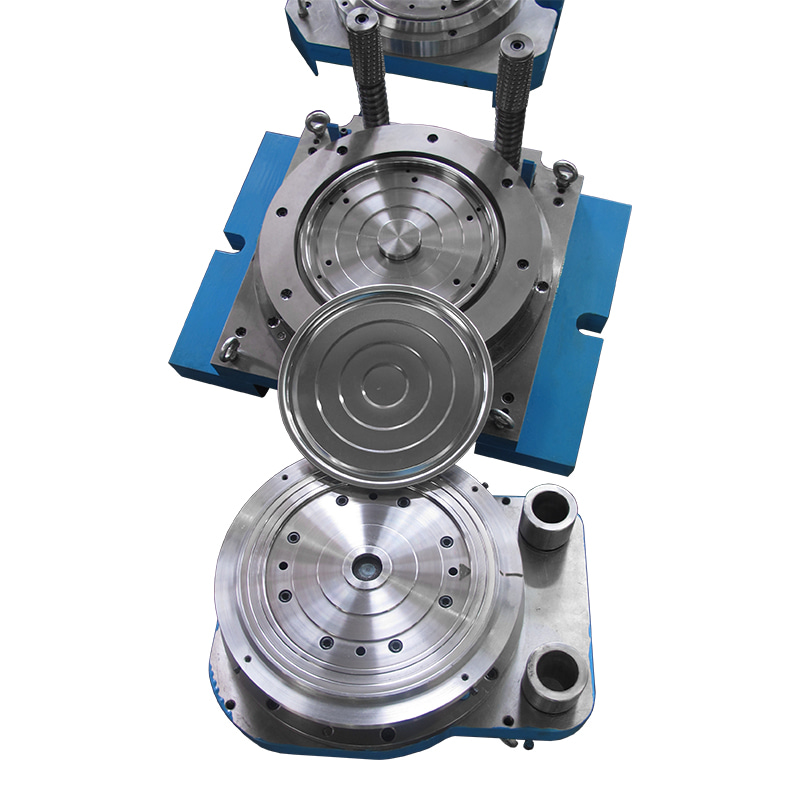
ال reinforcement process first requires positioning and clamping operations. The tank body is accurately placed on the workbench of the hydraulic stretcher and fixed by a special clamp or mold to ensure that there is no deviation or shaking during the reinforcement process. This step is crucial for the subsequent pressurization operation and directly affects the uniformity and consistency of the reinforcement effect. Then enter the hydraulic drive pressurization stage. After the hydraulic pump is started, the high-pressure oil enters the hydraulic cylinder through the control valve group, pushing the piston rod to extend, so that the pressure head or roller applies a preset pressure to a specific part of the tank body. During this process, the system will adjust the pressure parameters in real time through the electro-hydraulic proportional valve or servo system according to the material and process requirements of the tank body to ensure that the pressurization process is accurate and controllable.
في مرحلة التشوه البلاستيكي أو مرحلة التقوية الهيكلية، ستظهر الخزانات المصنوعة من مواد مختلفة خصائص مختلفة. عادة ما تخضع الخزانات المعدنية لتشوه البلاستيك المحلي تحت تأثير الضغط الهيدروليكي، مثل تشكيل أضلاع التسليح من خلال عملية الدرفلة، وبالتالي تحسين قوة الضغط بشكل ملحوظ. يتم تقوية المواد المركبة أو الخزانات البلاستيكية بشكل أساسي عن طريق الضغط الهيدروليكي أو الضغط الساخن لتعزيز تأثير الترابط بين الطبقات أو تحسين الكثافة الهيكلية. هذه المرحلة هي الرابط الأساسي لعملية التعزيز بأكملها وتحدد بشكل مباشر أداء الجودة النهائية للخزان. بعد الانتهاء من التشوه البلاستيكي، يدخل النظام في مرحلة تخفيف الضغط وإعادة الضبط، ويقوم صمام التحكم بتبديل اتجاه دائرة الزيت، ويعود الزيت الهيدروليكي بسلاسة إلى خزان الزيت، ويتراجع قضيب المكبس الأسطواني تلقائيًا، ويتم فصل رأس الضغط عن سطح الخزان. في هذا الوقت، يمكن نقل الخزان من طاولة العمل والدخول في عملية الإنتاج التالية.
ال hydraulic drive method has many significant advantages. First, it can provide extremely high pressure output. The hydraulic system can easily generate tens to hundreds of tons of force, which fully meets all kinds of high-strength reinforcement needs. Secondly, the control accuracy is high. Through advanced sensors and electronic control systems, stepless adjustment of pressure and speed can be achieved, effectively avoiding tank damage caused by pressure loss. In addition, the uniformity of force application is excellent. The linear motion characteristics of the hydraulic cylinder ensure the uniformity of pressure distribution, which is crucial to ensure the consistency of the overall strength of the tank. In addition, the hydraulic system has a wide range of adaptability. It can process various types of tanks of different shapes, sizes and materials by simply changing the mold or adjusting the system parameters, which greatly improves the versatility and economy of the equipment.
في التطبيقات العملية، تُظهر النقالات الهيدروليكية نطاقًا واسعًا من قابلية التطبيق. في الصناعة الكيميائية، غالبًا ما يتم استخدامه لتعزيز اللحامات أو الأسطوانات لصهاريج التخزين الكبيرة، مما يحسن بشكل كبير من مقاومة الضغط للمعدات. تستخدمه صناعة تعبئة المواد الغذائية لضغط الجزء السفلي والغطاء للخزان بدقة لضمان أن أداء الختم ومقاومة التشوه لحاوية التغليف تلبي المتطلبات القياسية الصارمة. تفضل صناعة المستحضرات الصيدلانية بشكل خاص قدرة المعالجة للنقالات الهيدروليكية للحاويات المعدنية ذات الجدران الرقيقة (مثل علب الأيروسول). من خلال تقنية الانتفاخ الهيدروليكي الدقيقة، يمكن تشكيل هياكل معززة معقدة لتلبية متطلبات القوة الخاصة لتغليف الأدوية. توضح أمثلة التطبيقات هذه بشكل كامل الدور الرئيسي والأداء الممتاز للنقالات الهيدروليكية في مختلف الصناعات.
عند استخدام النقالات الهيدروليكية، هناك العديد من الاحتياطات الأساسية التي تحتاج إلى اهتمام خاص. معايرة الضغط هي الأساس لضمان التشغيل الطبيعي للمعدات. يجب فحص ضغط النظام بانتظام لمنع تمزق الخزان أو تلف المعدات بسبب الضغط الزائد. تؤثر نظافة الزيت الهيدروليكي بشكل مباشر على موثوقية النظام. يجب إنشاء نظام صارم لترشيح الزيت واستبداله لمنع الملوثات من انسداد مجموعة الصمامات الدقيقة. لا ينبغي تجاهل تدابير حماية السلامة. يجب أن تكون المعدات مجهزة بجهاز إيقاف الطوارئ الكامل، وينبغي النظر في التصميم المقاوم للانفجار في بيئات خاصة مثل الصناعة الكيميائية. التدريب المهني للمشغلين مهم أيضا. من الضروري التأكد من أنهم بارعون في مواصفات تشغيل المعدات وإجراءات التعامل مع الطوارئ.


 +86 13666712509

 English
 русский
 عربى
عربى


اتصل بنا